
If you run a business that serves a specific area, like a bakery, a clinic, a salon, or a repair shop, there’s a good chance most of your customers are searching for you nearby. That’s exactly where local SEO comes in.
Let’s break it down in simple, easy-to-understand terms.
Local SEO, Explained Simply
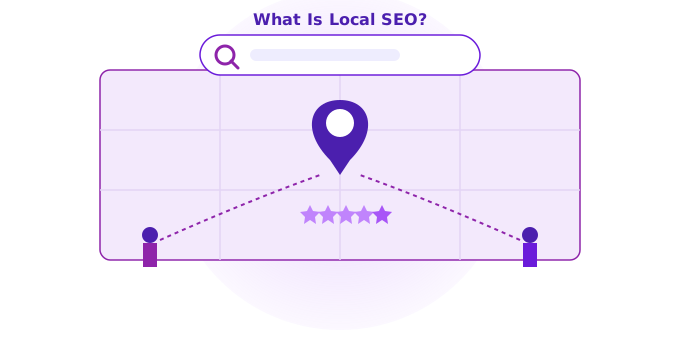
Local SEO is the process of helping your business show up when people nearby search for what you offer. Think of searches like “coffee shop near me” or “plumber in [city].” Local SEO makes sure your business appears in those kinds of results, especially in that map section you often see at the top of Google.
In short, it’s about making sure people in your area can actually find you when they need you.
Why It Matters So Much
Most local searches happen right before someone is ready to visit or buy. Someone searching “dentist near me” usually isn’t just browsing, they’re looking for an appointment soon. If your business doesn’t show up in these searches, you’re losing customers to competitors who do show up, even if your service is actually better.
Local SEO helps make sure you’re the business people find, call, and choose, right when they need you most.
The Simple Way to Picture It
Imagine your business is one of many shops in a big shopping mall. Local SEO is like having a clear directory sign right at the entrance, showing visitors exactly where you are, what you offer, and how to reach you. Without it, people might walk right past your shop without ever knowing it exists.
The Basics of Local SEO
You don’t need to be a marketing expert to understand the core pieces. Here’s what matters most.
Your Google Business Profile This is one of the most important pieces of local SEO. It’s the free listing that shows your business name, address, hours, phone number, and reviews, often the first thing people see when searching for your business.
Consistent Business Information Your business name, address, and phone number should look exactly the same everywhere online, your website, social media, and online directories. Inconsistent information confuses search engines and can hurt your visibility.
Customer Reviews Positive reviews don’t just build trust with customers, they also signal to search engines that your business is credible and worth showing to more people.
Local Keywords Using location-specific words on your website, like your city or neighborhood name, helps search engines understand exactly where your business serves customers.
Mobile-Friendly Website Most local searches happen on phones, often while someone is out and about. A website that works smoothly on mobile keeps those visitors from leaving in frustration.
A Simple Way to Get Started
If you’re just beginning with local SEO, start with these basic steps:
- Claim and completely fill out your Google Business Profile
- Make sure your business information matches everywhere online
- Ask happy customers to leave reviews
- Add your city or area naturally into your website’s content
- Make sure your website works well on mobile devices
The Bottom Line
Local SEO isn’t about competing with huge national brands. It’s about making sure the people closest to you, the ones most likely to actually walk through your door or pick up the phone, can find you easily. Get the basics right, and your business becomes a lot easier to discover by exactly the customers who matter most.